- About Ramapo
- Academics
- Admissions & Aid
- Student Life
- Athletics
- Alumni
- Arts & Community
- Quick Links
- Apply
- Visit
- Give
Roadrunners Make an Impact at Costa Rican Animal Sanctuary
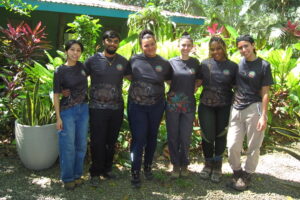
March 13, 2026
By Elizabeth Mendicino ‘26
Experiential learning, service to community, and intercultural connection are three cornerstones of the Ramapo College of New Jersey mission. The College’s alternative break service trip to Natuwa Santuairo de Vida Silvestre in Aranjuez, Costa Rica, over winter break enabled students to explore these crucial and unique principles while contributing to meaningful work.
Roadrunners spent 10 days in Costa Rica, helping to feed and care for the animals of the animal sanctuary. Natuwa is a nonprofit fighting to rescue, rehabilitate, release, and serve as a refuge for the wildlife of Costa Rica. The group cared for animals like African tortoises, Australian parrots, and various South American species, such as marmoset monkeys, blue macaws, green-winged macaws, hyacinth macaws, sun conures, black carbon turtles, emus, and many more.
Center for Student Involvement staff Allene Shapiro and Cheyanne Shannon traveled to the sanctuary with students Emily Beck ‘28, Desiree Bounds ‘26, Luannee Hernandez ‘26, Jake Hessels ‘25, Mihir Jariwala ‘26, Anneris Martinez ‘27, Brianna Rached ‘26, Ashley Reategui ‘25, Jackie Reed ‘26 and Julia Rowan ‘28.
Each morning, the students were up at 4:30 a.m. to head out to feed the animals before breakfast.
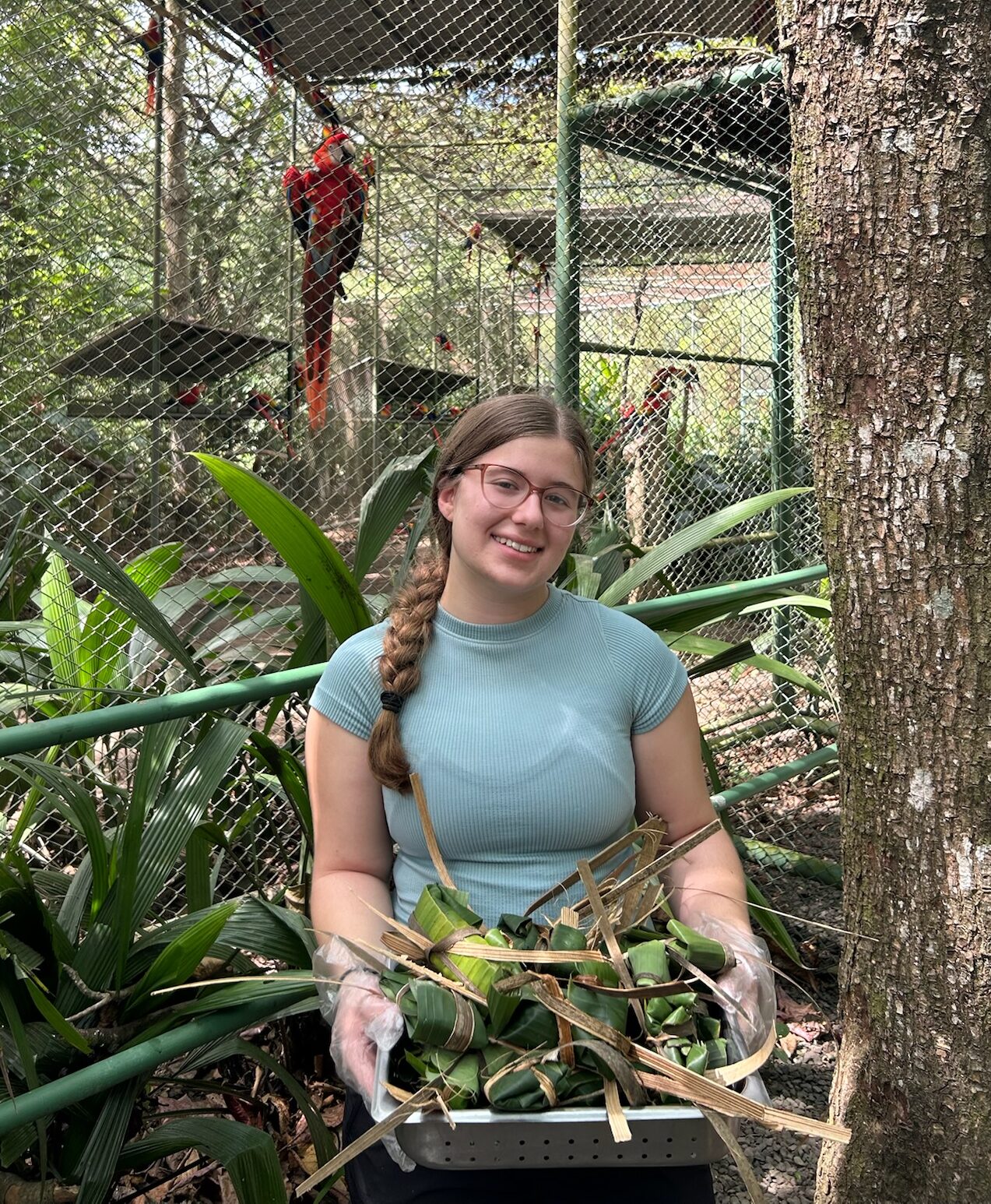
Ramapo students fed the animals at the wildlife sanctuary.
Through the trip they were able to fully immerse themselves in Costa Rican life, disconnecting from the intense pressures of daily life back home while partaking in meaningful environmental stewardship. While a majority of their responsibilities pertained to feeding, they also assisted with any animal care tasks that arose. When one of the emus they had been caring for passed away, the students laid it to rest.
“As long as you come into this trip with this idea of openness, this willingness to learn and the willingness to serve, it’s the perfect opportunity,” said Jariwala. “You can really go so far in only a week of time. You can gain so much knowledge that honestly will change you for years.” Jariwala was fascinated to learn about the animals and nature, as he is an environmental science major, and also fortunate to be able to give back in such a hands-on manner.
The work was hard, but more than worthwhile. While students noted that the trip was not for those who are averse to more physical activities, they would recommend taking the trip in a heartbeat.
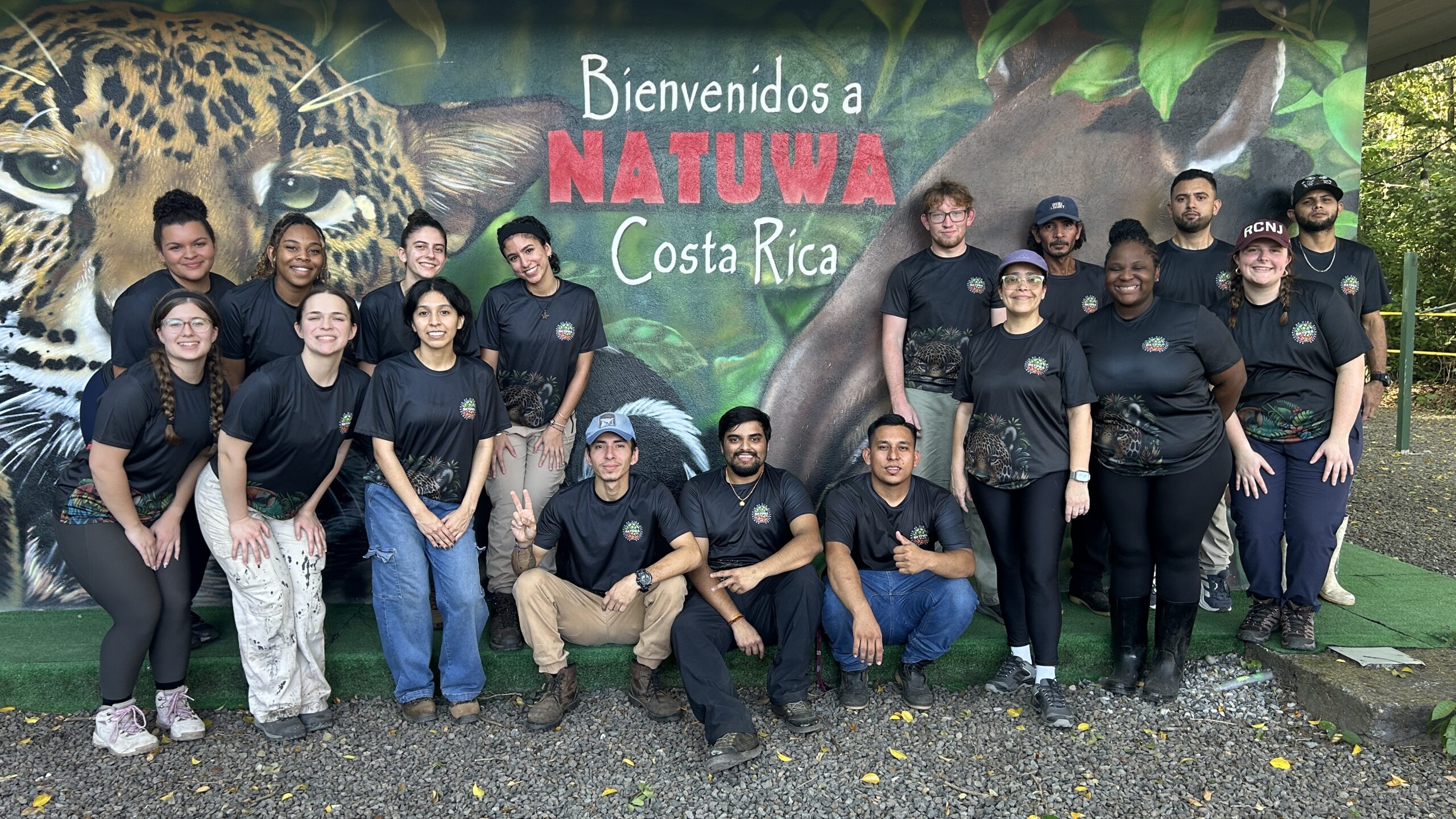
A group of students spent winter break volunteering at an animal sanctuary in Costa Rica.
Alternative break trips such as this one are phenomenal opportunities for students of any discipline to engage in experiential learning, get out of the world they know and learn about lives vastly different from their own.
“In terms of education, it brings more of a perspective,” said Rached, a communication arts and marketing double major. “The food was different, the culture was different, the air was different… everything about it was so different. You can hear about a perspective as much as you want, but until you actually get to experience it … it’s kind of life changing.”
The opportunity is a unique one, but one that immerses volunteers and offers opportunities for growth that cannot be found elsewhere. Even on their day off, the group was able to learn in a way that can only occur outside the classroom. The group got to experience a different side of the culture, by visiting a local waterfall, a farmer’s market, and watching the sunset on the beach.
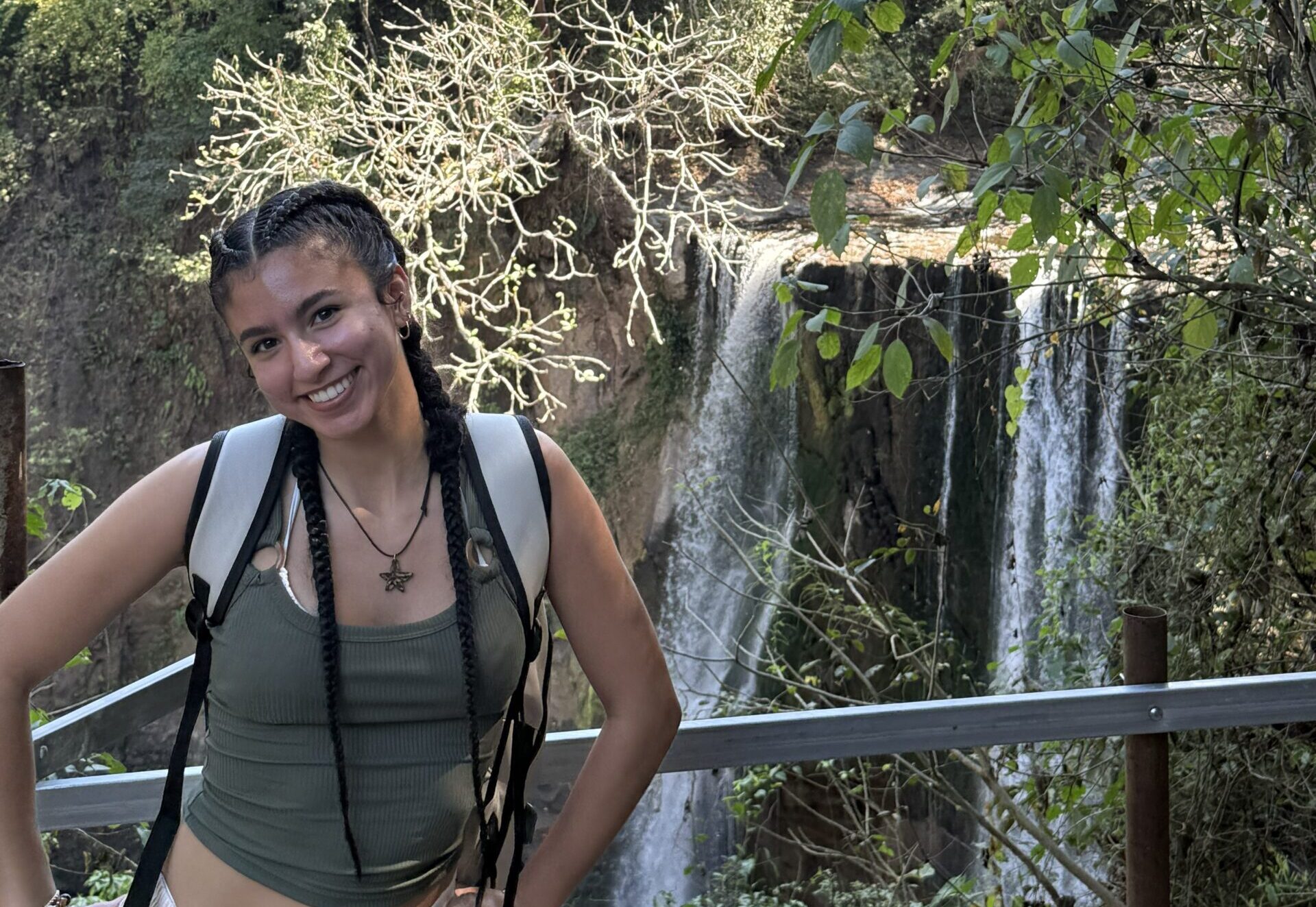
Roadrunners visited a local waterfall on their downtime.
Alternative break trips – a beloved tradition for Ramapo students – offer the chance for groups of college students to engage in civic learning and community service. Trips typically focus on a particular social issue such as food or housing insecurity, education reform, historical education and conservation, environmental stewardship, or urban and rural community development.
For the 2026 spring break, a new group of Roadrunners will be venturing to Natuwa to gain meaningful experiences and fresh outlooks. Additionally, another group of Roadrunners will be taking part in a spring break service trip to Virginia’s Shenandoah Valley to work with the Virginia Department of Conservation and Recreation at Natural Bridge State Park.
For more information on future Alternative Break trips, visit Ramapo’s Alternative Break webpage.

505 Ramapo Valley Road
Mahwah, NJ 07430
p: 201-684-7500
e: information@ramapo.edu
Copyright ©2026 Ramapo College Of New Jersey | Statements And Policies | Accessibility | Contact Webmaster.
Follow Ramapo